Avena, the rusalka on the bridge
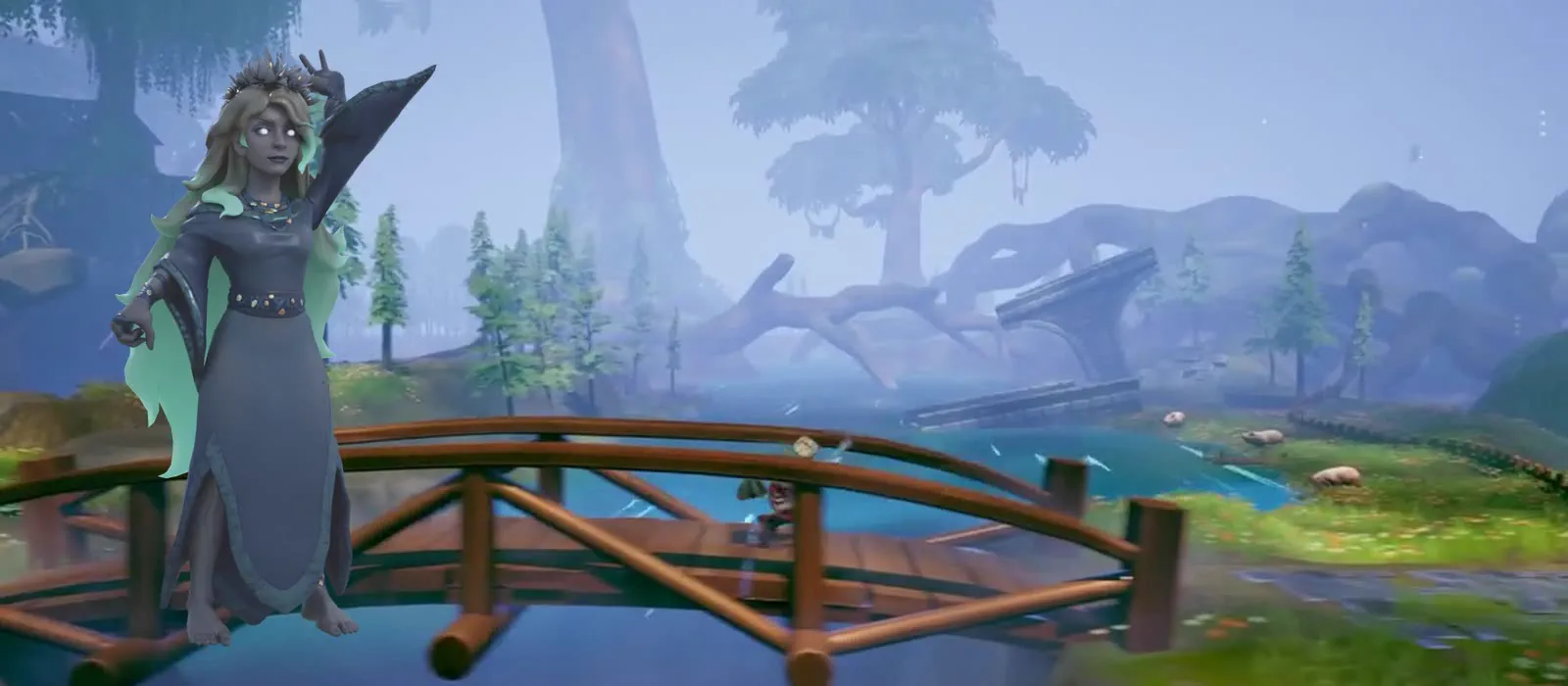
Avena is a rusalka, and she is standing on the bridge rather than waiting under it. Hers is the first voice Ivan hears in the mist.
Who she is
Avena is the daughter of the Vodyanoy, the old master of rivers and lakes. Ivan met her while he was wandering the forest, long before the game begins, and they fell in love. Under the pact between gods and people a human was never to mix with a magical being, so their love was forbidden from the start. It is the reason Ivan's father put the headband on him, and the reason Ivan woke up alone.
She is gentle, and she is strong, and her design had to carry both. The team worked from folklore texts and from the illustrations in old books of fairy tales.
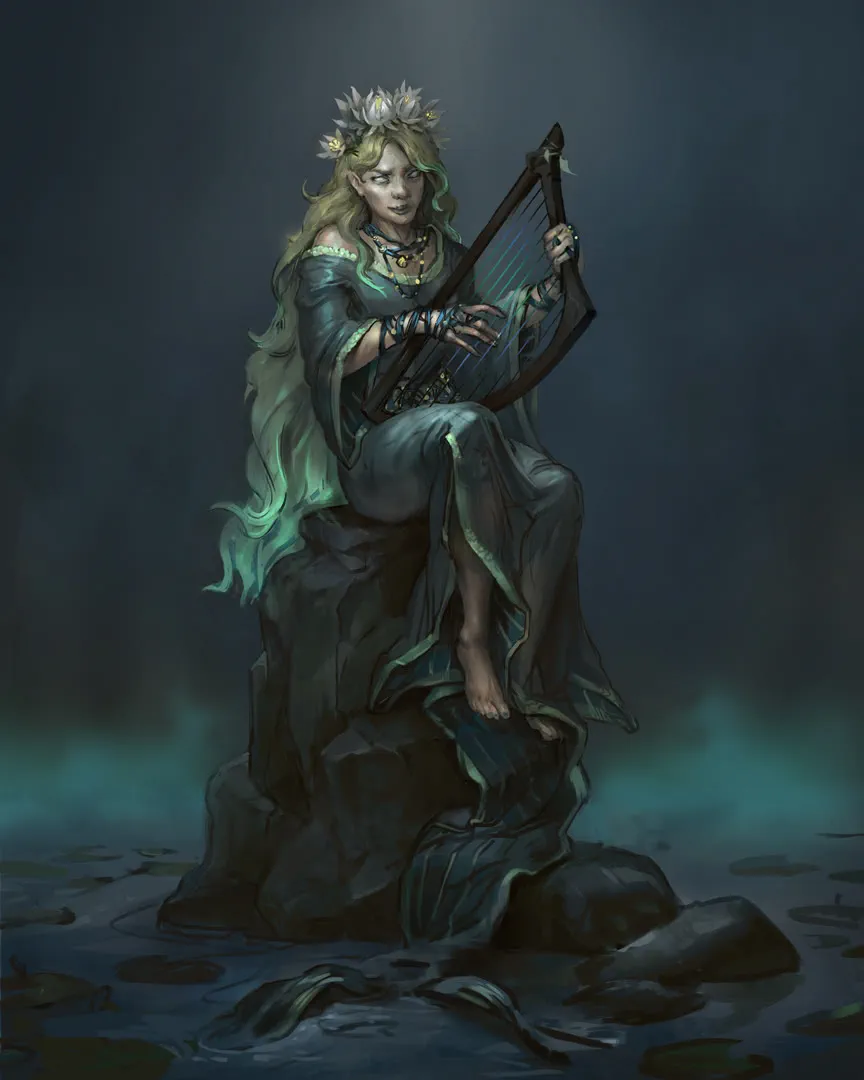
Avena's concept painting.
The bridge
When Ivan reaches her, the bridge across the water is broken. Avena can bring it back, but first she needs three runes, and her request carries the first part of the game: it is how Ivan learns that the rune stones exist at all. He comes back to the bridge four times, and every conversation is different depending on what he has done since: before he frees the Grey Wolf, after it, and at last with all three runes in hand.
Two of her lines from the demo:
"By the bond of river and man, I am summoned."
"Beyond this path, your shadow must walk without mine."
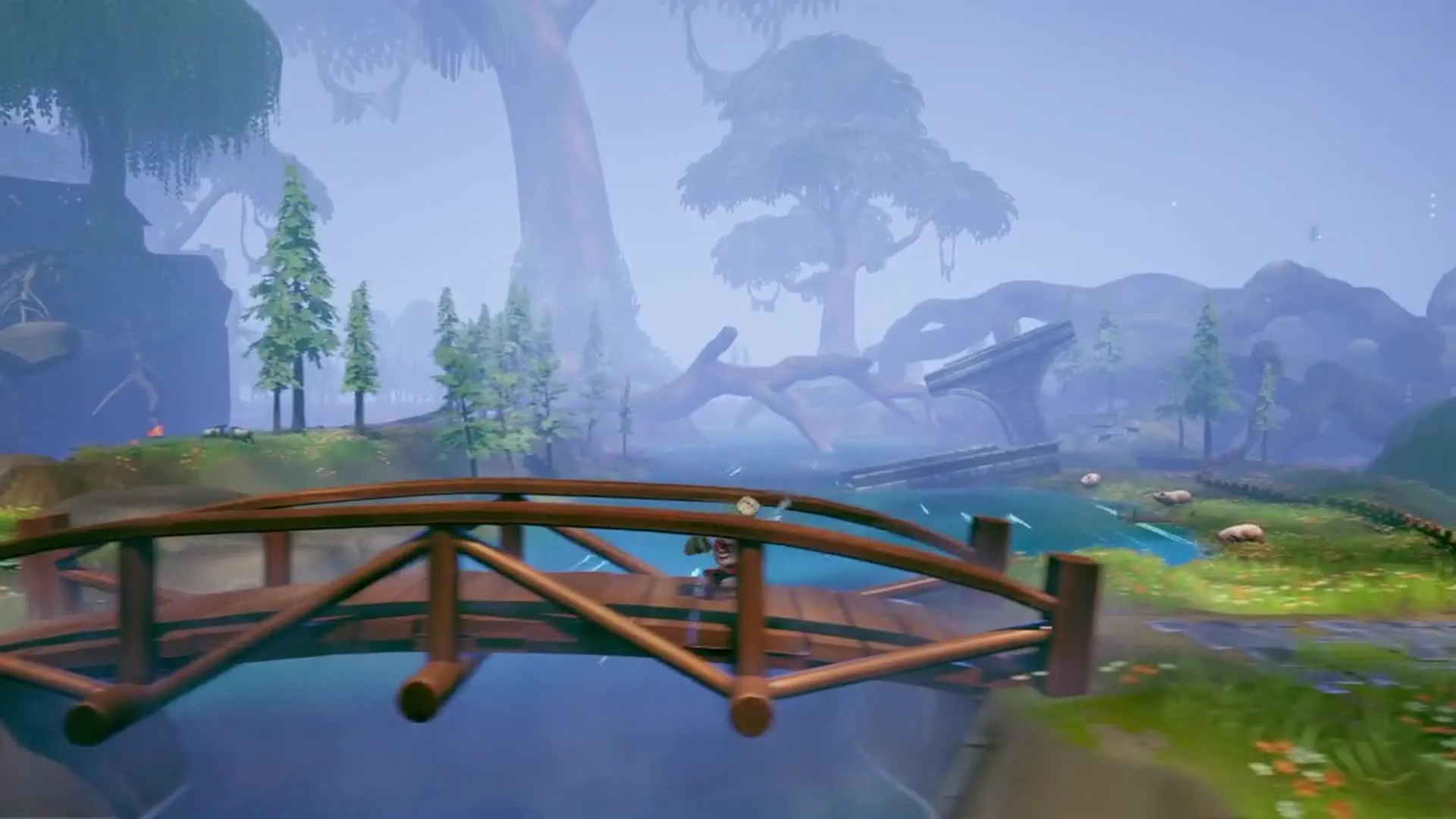
The bridge, from the game's gameplay footage.
The rusalki of the villages
The fish-tailed mermaid is a latecomer. In East Slavic villages a rusalka was one of the restless dead: a girl who had drowned, a bride who died before her wedding, a child who died unbaptised. The ethnographer Dmitry Zelenin gathered these beliefs in a book in 1916. In Rusalia week, at the start of summer, the rusalki came up out of the water, sat in the birches combing their long hair, and could tickle a young man to death or drag him under. Girls hung shirts and ribbons in the branches for them, and nobody walked into the rye alone.
The mermaid came from writers and painters. Pushkin left his verse drama "Rusalka" unfinished in 1832, and Alexander Dargomyzhsky turned it into an opera in 1856. In 1871 Ivan Kramskoy painted "The Rusalki" after Gogol's "May Night", pale girls in moonlight by a pond, and in 1879 Konstantin Makovsky painted his own "Rusalki".
Avena takes something from both. Her story is closer to the books: a water king's daughter in love with a prince, the way Antonín Dvořák told it in his opera "Rusalka" in 1901. But she is still a spirit of the water, and Morana's winter is coming for her too. What Ivan agrees to on that bridge decides who is still there later.
Sources: "Art, Atmosphere and Community Choices" and "The Tale as Told by the Fire", Forgotten Eras on Steam, 8 September and 16 July 2026. D. K. Zelenin, Essays on Russian Mythology: Those Who Died an Unnatural Death, and the Rusalki, Petrograd, 1916. A. S. Pushkin, "Rusalka", 1832. I. N. Kramskoy, "The Rusalki", 1871. K. E. Makovsky, "Rusalki", 1879.